
ONE GOD AFRICA · KINGDOM WISDOM
3 Types of Life
Understanding God's creation, the connection between living things, and our responsibility to care for what He has made.
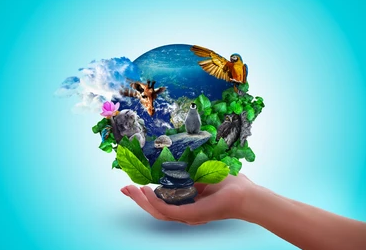
In the grand narrative of creation, life on Earth can be understood through three forms described in Genesis: plant life, animal life, and human life. Each form of life plays a crucial role in the ecosystem, contributing to the balance and sustainability of our planet. Let's delve into this fascinating topic with insights from scripture.
Plant Life: The Foundation of Existence
Plant life is depicted as the first form of life created by God, laying the foundation for all subsequent life forms. According to Genesis 1:11-12:
"Then God said, 'Let the earth sprout vegetation, plants yielding seed, and fruit trees on the earth bearing fruit after their kind with seed in them'; and it was so. The earth brought forth vegetation, plants yielding seed after their kind, and trees bearing fruit with seed in them after their kind; and God saw that it was good."
GENESIS 1:11–12
This passage introduces the creation of plants. We also understand through science that plants play an essential role in sustaining life by producing oxygen and providing food. Plants form the bedrock of the ecological pyramid, supporting both animal and human life.
Animal Life: The Next Step in Creation
Following the creation of plants, animals were brought into existence. Genesis 1:20-25 describes this phase of creation:
"Then God said, 'Let the waters teem with swarms of living creatures, and let birds fly above the earth in the open expanse of the heavens.' ... And God said, 'Let the earth bring forth living creatures after their kind: cattle and creeping things and beasts of the earth after their kind'; and it was so."
GENESIS 1:20, 24
Animals were created to inhabit the earth and the seas, relying on plants for nourishment. This symbiotic relationship between plants and animals underscores the interconnectedness of all life forms.
Human Life: Made in God's Image
Humans, the final creation described in Genesis 1, were endowed with unique abilities such as reasoning and making choices. Genesis 1:26-27 provides insight into this special role:
"Then God said, 'Let Us make man in Our image, according to Our likeness; and let them rule over the fish of the sea and over the birds of the sky and over the cattle and over all the earth, and over every creeping thing that creeps on the earth.' God created man in His own image, in the image of God He created him; male and female He created them."
GENESIS 1:26–27
Humans were given dominion over all other life forms, highlighting their responsibility to care for and steward God's creation.
If God has entrusted humanity with the responsibility to care for His creation, how well are we fulfilling that responsibility today?
Harmony Among Life Forms
The scriptures suggest a harmonious relationship between plants, animals, and humans. For example, Proverbs 6:6-8 encourages us to learn from the diligence of ants:
"Go to the ant, O sluggard, Observe her ways and be wise, Which, having no chief, Officer or ruler, Prepares her food in the summer And gathers her provision in the harvest."
PROVERBS 6:6–8
This passage illustrates the wisdom humans can gain from observing and learning from animal behavior.
Stewardship and Care for Creation
Humans are called to be stewards of the Earth, showing love and respect to all forms of life. Genesis 2:15 emphasizes this duty:
"Then the Lord God took the man and put him into the garden of Eden to cultivate it and keep it."
GENESIS 2:15
By caring for the environment and its creatures, we demonstrate our respect for God's creation and our love for all life.
Understanding Divine Systems
The interdependence of plant, animal, and human life reveals the intricate systems created by God. Romans 1:20 speaks to this understanding:
"For since the creation of the world His invisible attributes, His eternal power and divine nature, have been clearly seen, being understood through what has been made, so that they are without excuse."
ROMANS 1:20
By studying and respecting the natural world, we gain insights into God's wisdom and purpose in creation.
07. Closing Reflection
The progression from plant to animal to human life, as outlined in scripture, shows the purposeful design and interdependence of all life forms. As stewards of God's creation, humans are called to respect and learn from other forms of life, recognizing their vital roles in the balance and sustainability of our world. By understanding and appreciating these systems, we move closer to comprehending the divine order established by God.
In this interconnected web of life, let us strive to honor and protect each form of life, recognizing its unique contribution to the tapestry of creation.
If God has entrusted us with His creation, let us live with the wisdom and responsibility to care for it.